
Opening Keynote - The Benchmark Has Left the Building: Redefining Value and Success Metrics
Artificial intelligence has disrupted the status quo for libraries, publishers, and other providers of content and services to information consumers – and it’s just one of several disruptive forces that are shaping our current and future environments. Today’s information landscape demands new modes of measuring value and impact for providers of information products and services. Yesterday’s benchmarks for successful content dissemination and collection management no longer apply.
In her keynote address, Lettie will share her observations on these disruptions and what challenges they present our community – from changing trends in how users interact with information to our lack of standards for AI-generated content and usage. To help us adapt to these new dynamics, she will discuss ways we might recalibrate our impact metrics for this brave new world. Leveraging human-centered methods, Lettie will propose how we might future-proof our information industries and redefine how we measure value and success.
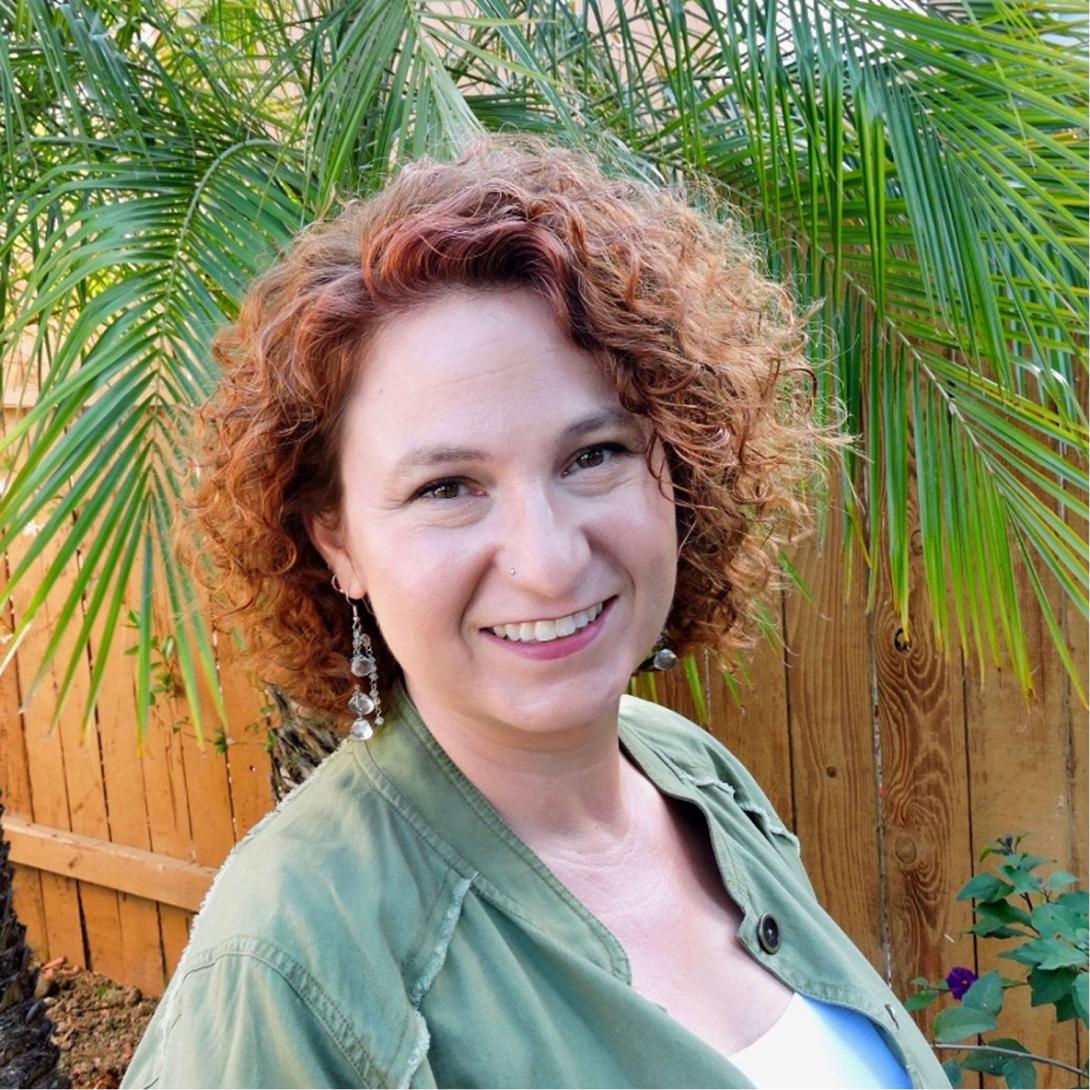
With more than 20 years’ experience in scholarly publishing and product design, Lettie brings human-centered methods to her work with technology and service providers. She excels in driving optimal engagement with information-intensive products and services, leveraging her R&D experience in market and user research, UX design, analytics, information architecture, data standards, and more.
In her 10 years with Sage Publishing, Lettie played a key role in establishing product management expertise and user-centered product lifecycles. There, she developed expertise in content discovery and access, and universal design for diverse information experiences.
Currently, Lettie primarily serves as Product Experience Architect for LibLynx as well as a part-time instructor in San José State’s School of Information. In her spare time, Lettie is a blogger and Deputy Editor for The Scholarly Kitchen as well as a member of the DEIA Committee for the Society for Scholarly Publishing. You can read more about Lettie on her LinkedIn and ORCID profiles.
From Traditional Metadata Practices to AI-Assisted Workflows: Building and Evaluating Metadata Enhancement Strategies
Digital libraries, archives, and cultural heritage organizations face a growing influx of digital assets alongside rising expectations for rich, discoverable metadata. This presentation shares a practical framework for building and evaluating Artificial Intelligence (AI) and automation tools that support metadata creation, enhancement, and maintenance across digital collections. Aligned with the emerging technologies track, the session demonstrates how to move from experimental AI prompts to reliable, production-ready workflows.
Attendees will learn approaches for using AI to support subject analysis, transcription, entity extraction, metadata normalization, and descriptive metadata enrichment. The presentation also explores strategies for integrating AI-generated metadata into existing workflows while maintaining consistency, interoperability, and adherence to local standards. Finally, the session addresses evaluation methods, including benchmarking, error analysis, and human-in-the-loop review processes that mitigate hallucinations and improve data quality. Participants will leave with practical strategies for responsibly scaling metadata work while preserving accuracy, trustworthiness, and access.
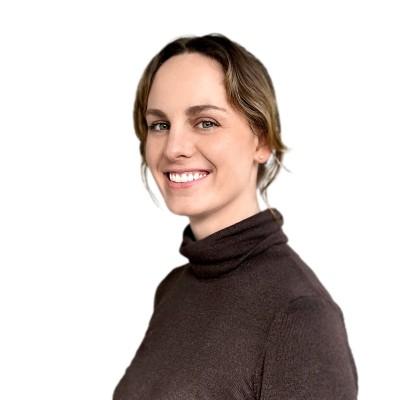
Mariah Wahl is the Metadata Librarian for the University of Washington Libraries. She specializes in digital collections, metadata standards, and workflow development, collaborating across digitization, archives, and technical services to improve discovery and access. Previously, she worked at the Smithsonian Institution Libraries and Archives and Illinois State University's Milner Library. Her interests include metadata quality, automation, and the responsible application of artificial intelligence to metadata creation, enhancement, and stewardship.
From Challenge to Checklist: Building Workflows for Topical Collections
In 2024, MU Library’s Acquisitions, Collections, and Technical Services department (ACTS) faced the challenge of processing an unexpected, new topical collection. The presenters will explain how they tackled this challenge by partnering with other departments, creating new workflows, and implementing new policies. They will discuss how the collection affected staff members, including necessitating new training for current staff; the importance of communication between all stakeholders; how data was used post-project to address staffing shortages; documentation and workflow creations, and more. The duo will also share guidelines and a checklist that they created for handling future topical collections.
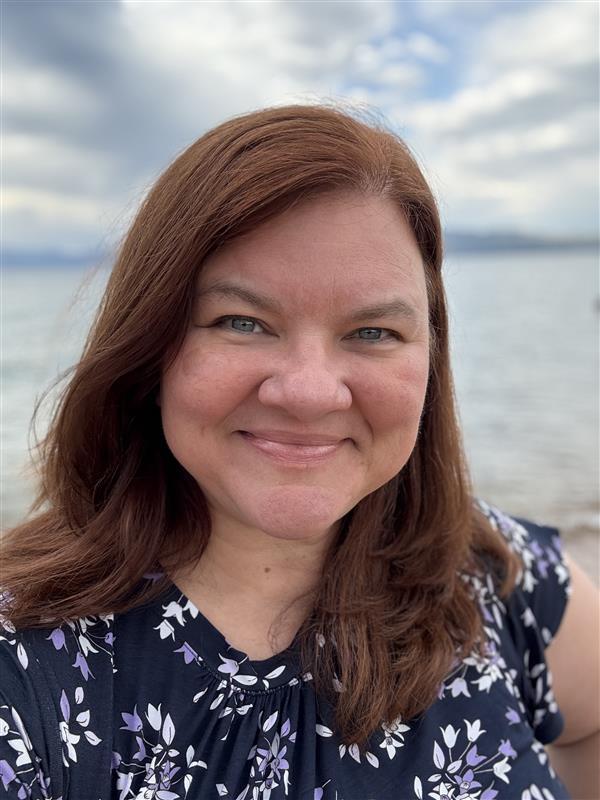
Jennifer Walker is the Head of Acquisitions at the University of Missouri’s Ellis Library. She holds a Master of Library and Information Science from the University of Missouri and a Bachelor of Science in Business Administration from Columbia College. Prior to joining MU Libraries in 2020, Jennifer spent 10 years as a Senior Accountant in MU Accounting. She is a life-long learner, currently focusing on vendor relations, contract negotiations, and the collections budget.
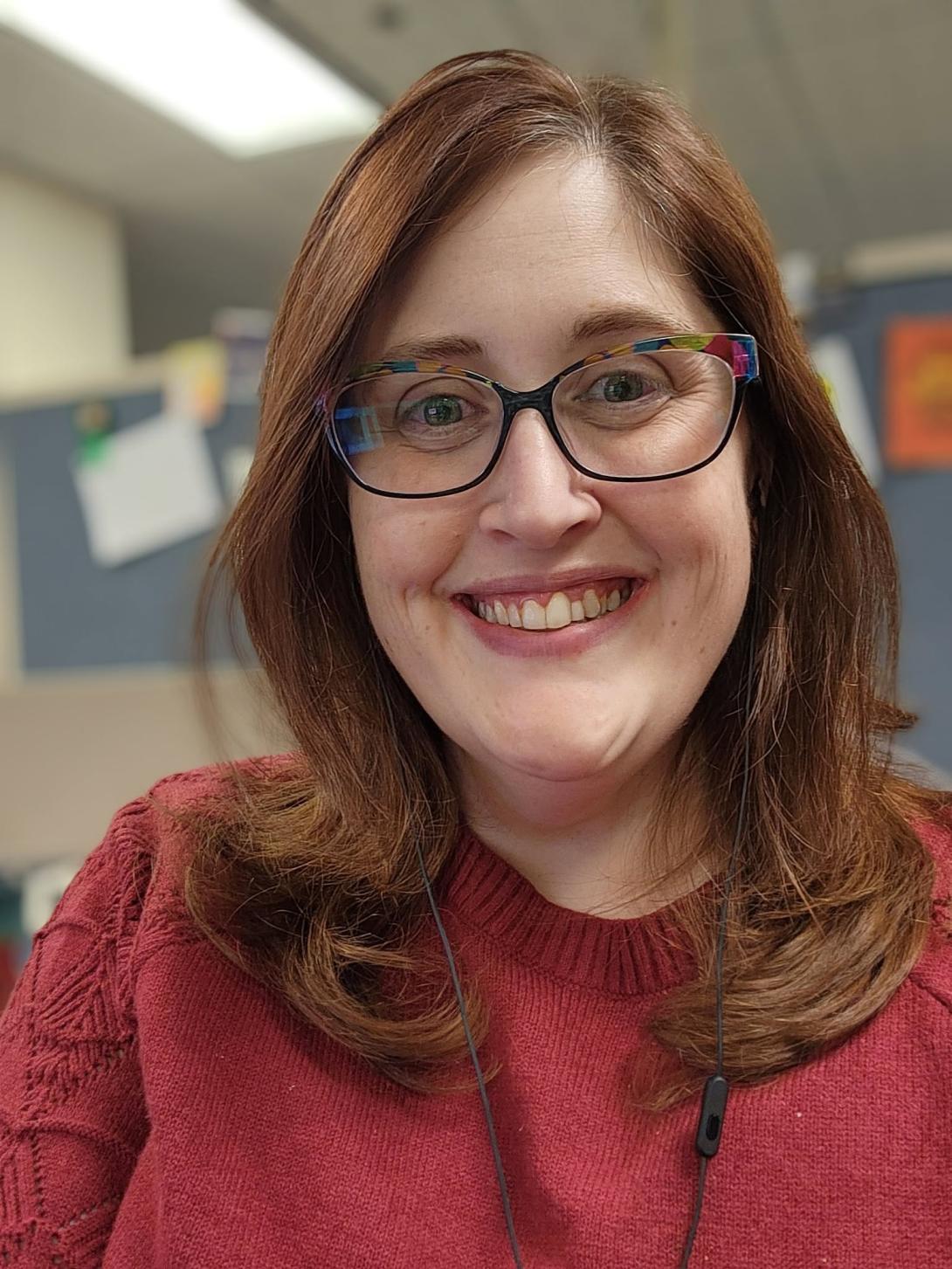
Ashley Granger, MLIS, MEd, is a Senior Library Information Specialist for MU Libraries and earned her MLIS in May 2026. Though she recently moved to Zalk Veterinary Medical Library, she worked for over a decade in technical services at Ellis Library as a cataloger. Ashley is a recipient of the University of Missouri Chancellor’s Award for her work as a cataloger and her collaborative work with others in the libraries.
Lunch
Moving Targets - Cataloging Rules for Effective Holds Transit
Kirkwood Public Library and the rest of the Municipal Library Consortium (MLC) migrated to Missouri Evergreen (MEC) in 2024. Joining our MLC catalog of 608k bibs to the existing MEC catalog of 1.3 million was an adventure for all involved. In this new consortial setting, our holds routing was suddenly less effective. Throw in our new Aspen discovery layer, and we had a lot of moving pieces – literally!
In an effort to improve future migrations, efficiently route transits, and improve the patron experience, we embarked on a project with our wider consortium to rework our existing cataloging standards, deduplicate the existing bib database, and update the deduplication rules for future incoming libraries.
Along the way, we dive into how record management norms and cataloging quality affect the physical movement of holds in a consortial setting, facilitating efficient access in a very complex system.
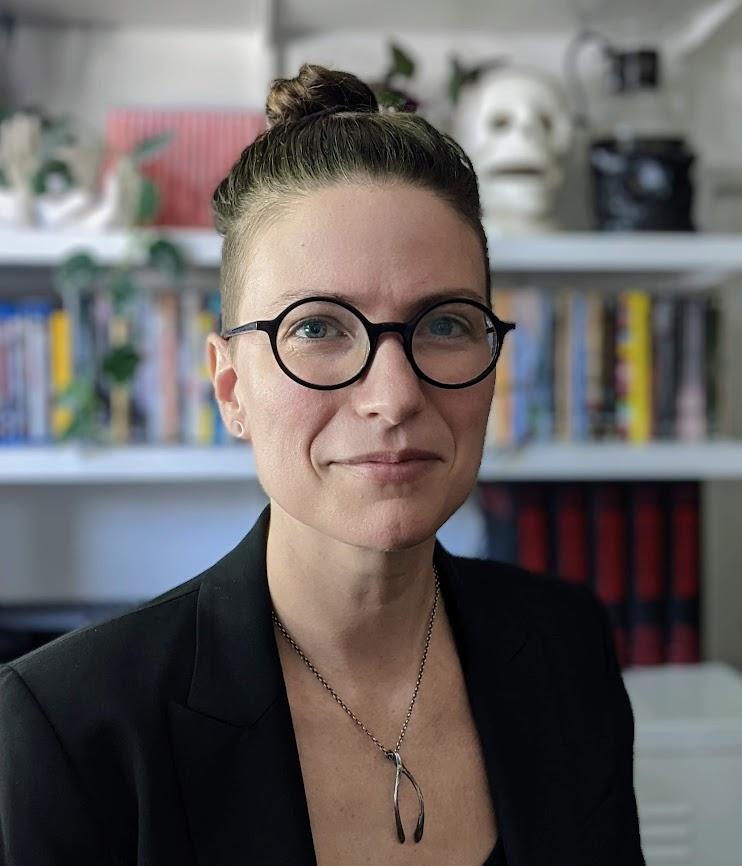
Heather Arnold is the ILS administrator for the Municipal Library Consortium of St. Louis County, where she has worked for over 10 years. As the only employee of the consortium, she gets to do a bit of everything.
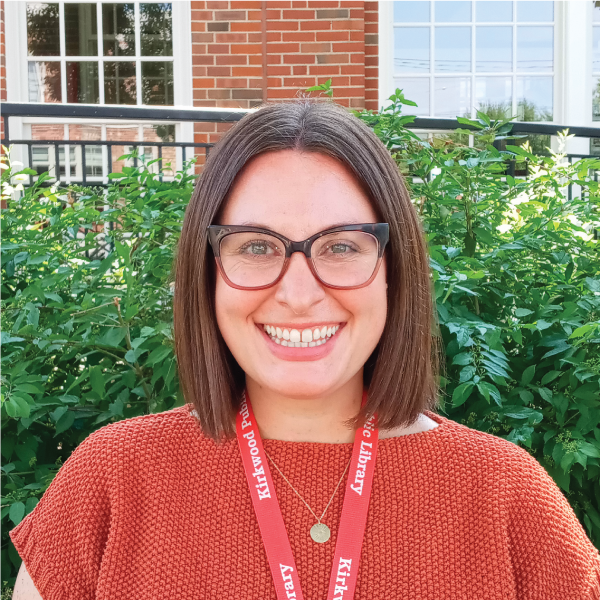
Karen Young has been the manager of cataloging and acquisitions at the Kirkwood Public Library for four years. She loves a bibliographic project – 655s for the win!
Collection Optimization at Scale
Ideally, librarians weed their collections on a regular basis to ensure they remain fresh, useful, and optimal for the current and near-future needs of the patrons. What happens when a library's collections have had minimal weeding?
This is the situation the UNT Libraries' Collection Management Division faced. With the pending loss of a major branch that holds large volumes of monographs and government documents and shrinking storage space, the division leadership took this opportunity to conduct large-scale weeding.
Fortunately, we have the data, infrastructure, and technical skills to develop tools that enable a more efficient process without reducing the quality of the collection. We also have motivated leadership and supportive librarians to drive this project forward. This panel session will include divisional leadership, data analysts, and subject librarians who will describe their participation and their perspectives, positive and negative, of how the process is going.
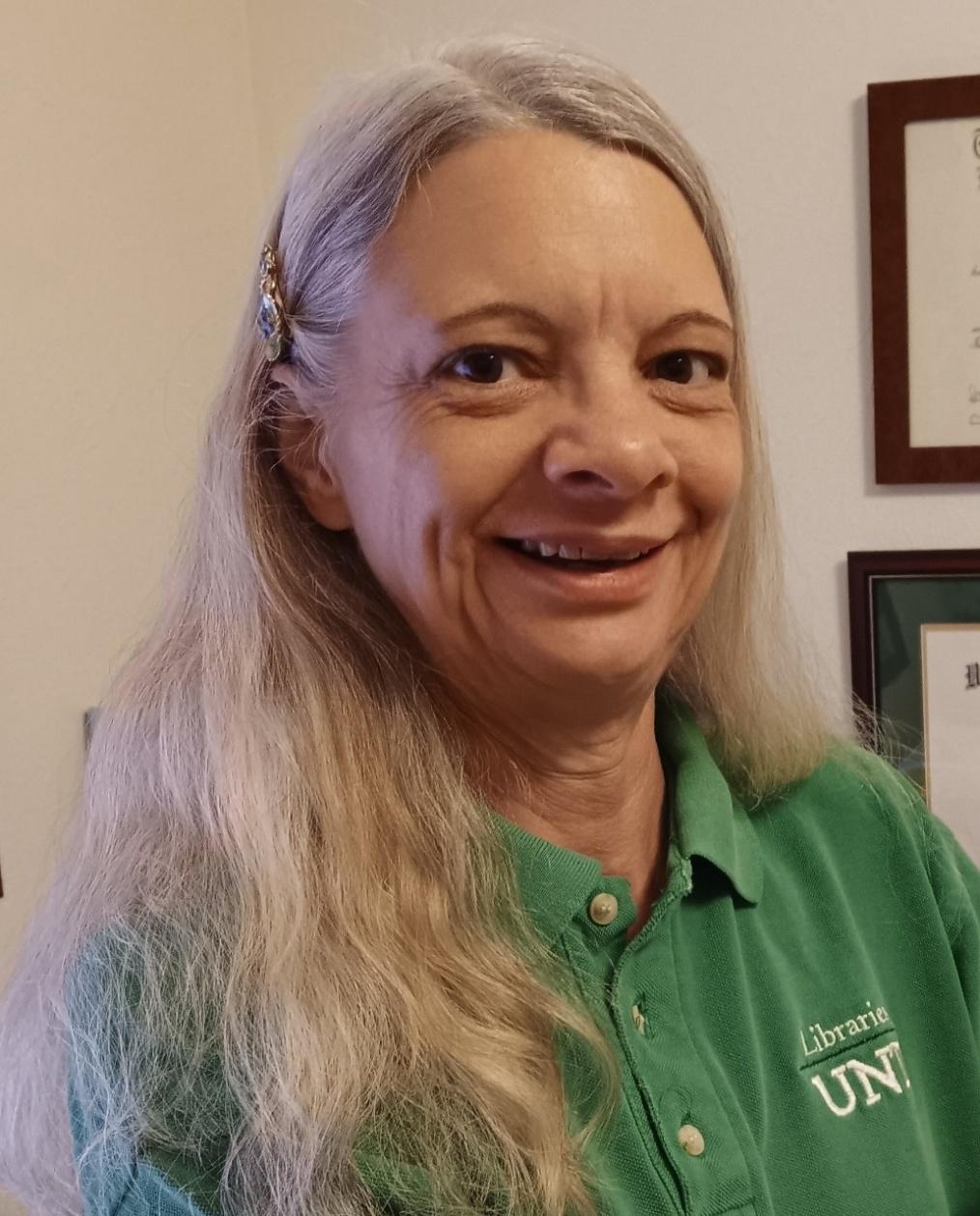
Karen R. Harker earned her MLS from Texas Women's University in 1999, her MPH from The University of Texas School of Public Health in 2007, and her MS in Advanced Data Analytics in 2023. Her professional career includes The University of Texas Southwestern Medical Library, UT Southwestern Psychiatry clinical trials, and currently as Collection Assessment Librarian for the University of North Texas.
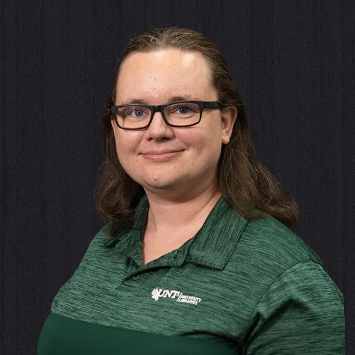
Sephra Byrne works at the University of North Texas as a data analyst for the Collection Assessment Department, analyzing data about patrons and the library's collections and developing better ways to collect, process, and store data about our collections and their impact on student and faculty outcomes. She is also a doctoral student at UNT researching library usage, non-users, and assessment.
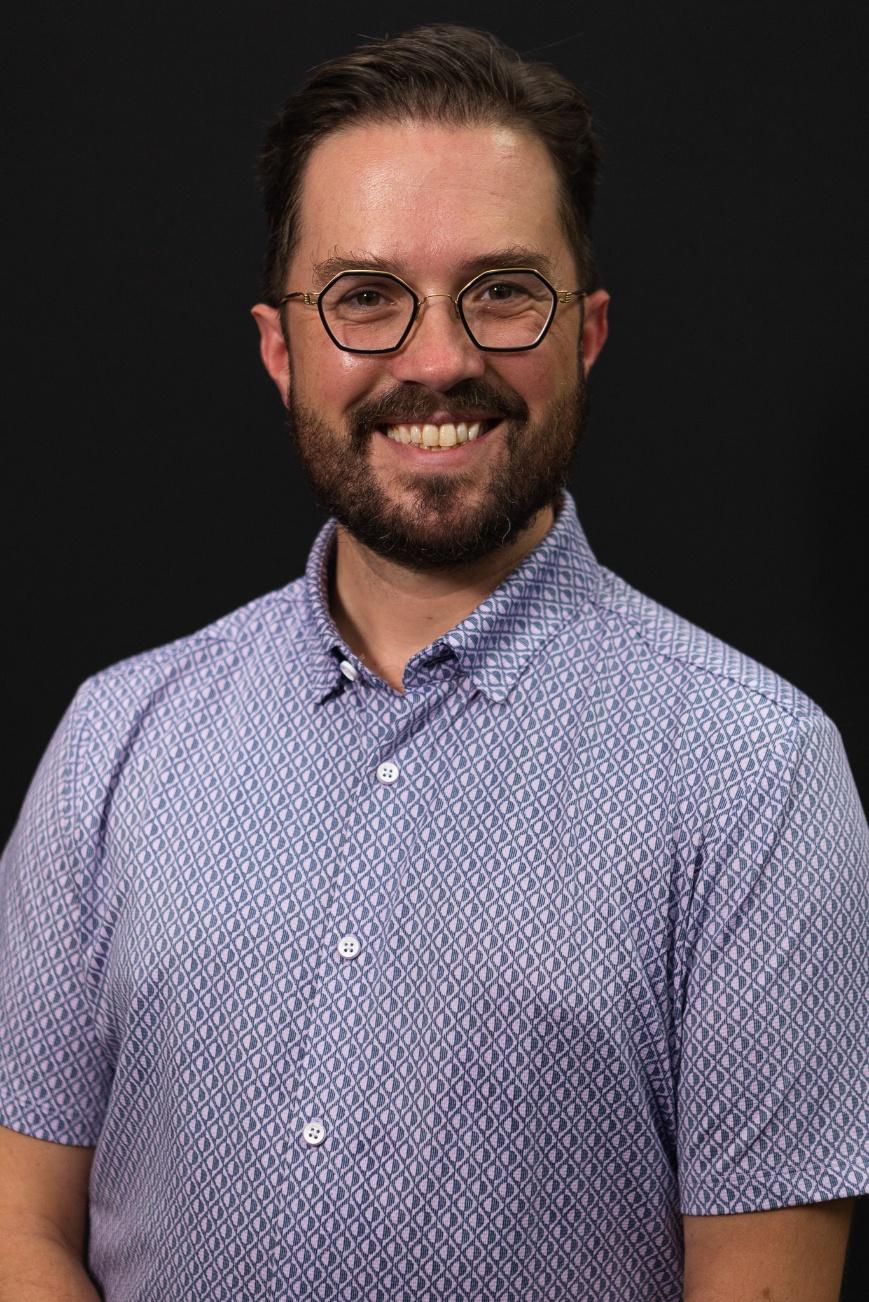
Kevin Yanowski is the Associate University Librarian for Collection Management at the University of North Texas Libraries and has worked in libraries since 2015. He is a people-first leader with experience in strategic decision-making, organizational culture, budgeting, and change management. He is passionate about leadership education, library user experience, and fostering meaningful and interesting conversations.
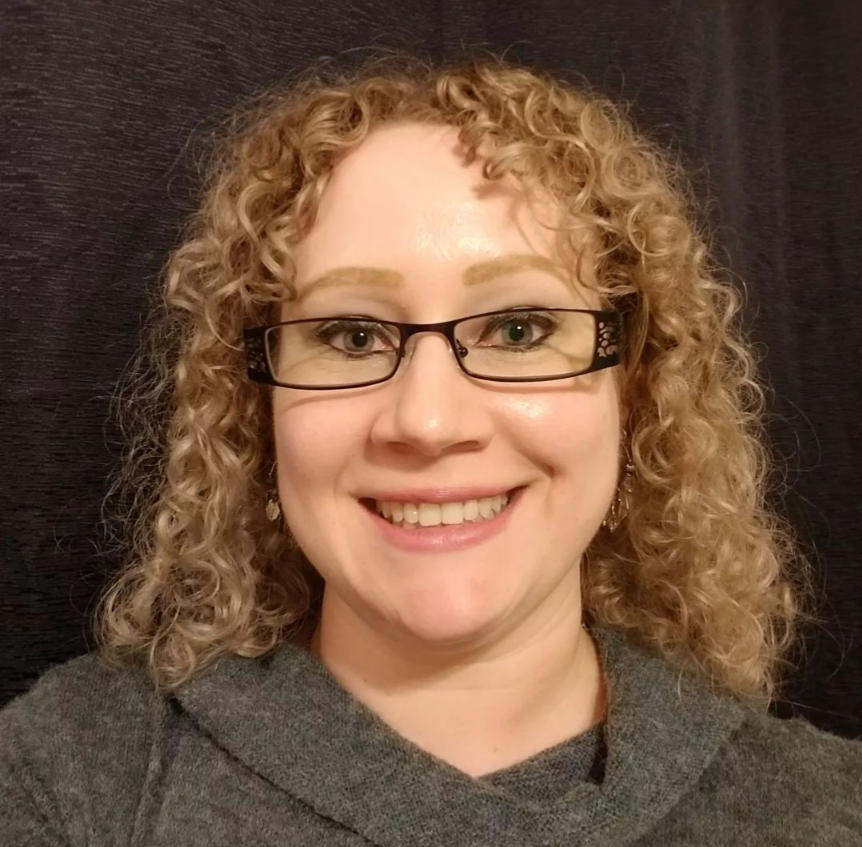
Brea Henson (she/they) is the Health & Social Work Librarian (formerly Outreach & Instruction Librarian) at the University of North Texas, Denton. She is the subject librarian for the departments of Audiology & Speech-Language Pathology, Behavior Analysis, Rehabilitation & Health Services, and Social Work, and the library liaison for the Autism Center, Counseling & Testing Offices, Dean of Students Offices, Student Health & Wellness, Recovery Intervention Support & Education (RISE) Center, Research Compliance Office (IRB), and UNT Neurodiversity Initiative. Henson is the coordinator for the Help Yourself Campaign, an initiative that connects social service providers and library resources to students and provides service-learning opportunities to Social Work and Rehabilitation students. She holds an MLS from Texas Woman’s University and an MA in Comparative Literature from the University at Buffalo, SUNY, and is pursuing an EdD in Higher Education from the University of North Texas. Her research interests include Whole-Person Librarianship, Whole-University praxis, social work librarianship, social services in higher education, and higher education curriculum and the ACRL Framework.
Julie Leuzinger earned her MLS from Texas Woman's University in 2006. She has worked at the University of North Texas Libraries for over 20 years and currently serves as Head of Research & Engagement, as well as the subject librarian for Women's and Gender Studies and LGBTQ Studies. Her professional experience includes library leadership, research support, and collaborating with colleagues across library divisions to support the evolving needs of the university community.
Curating in the Age of AI: A Closing Discussion
As AI-generated books, articles, images, media, and educational resources become increasingly common, libraries are grappling with questions of quality, transparency, discoverability, accessibility, and intellectual freedom. How should collection development policies address AI-generated content? What role should human judgment play in selection decisions? How can libraries evaluate, describe, and provide access to materials created with or by artificial intelligence?
This closing panel discussion explores how collection policies are evolving in response to AI-generated content and emerging technologies. Panelists will share perspectives, lessons learned, and practical considerations for informed decision making aligned with community needs, professional values, and institutional goals.
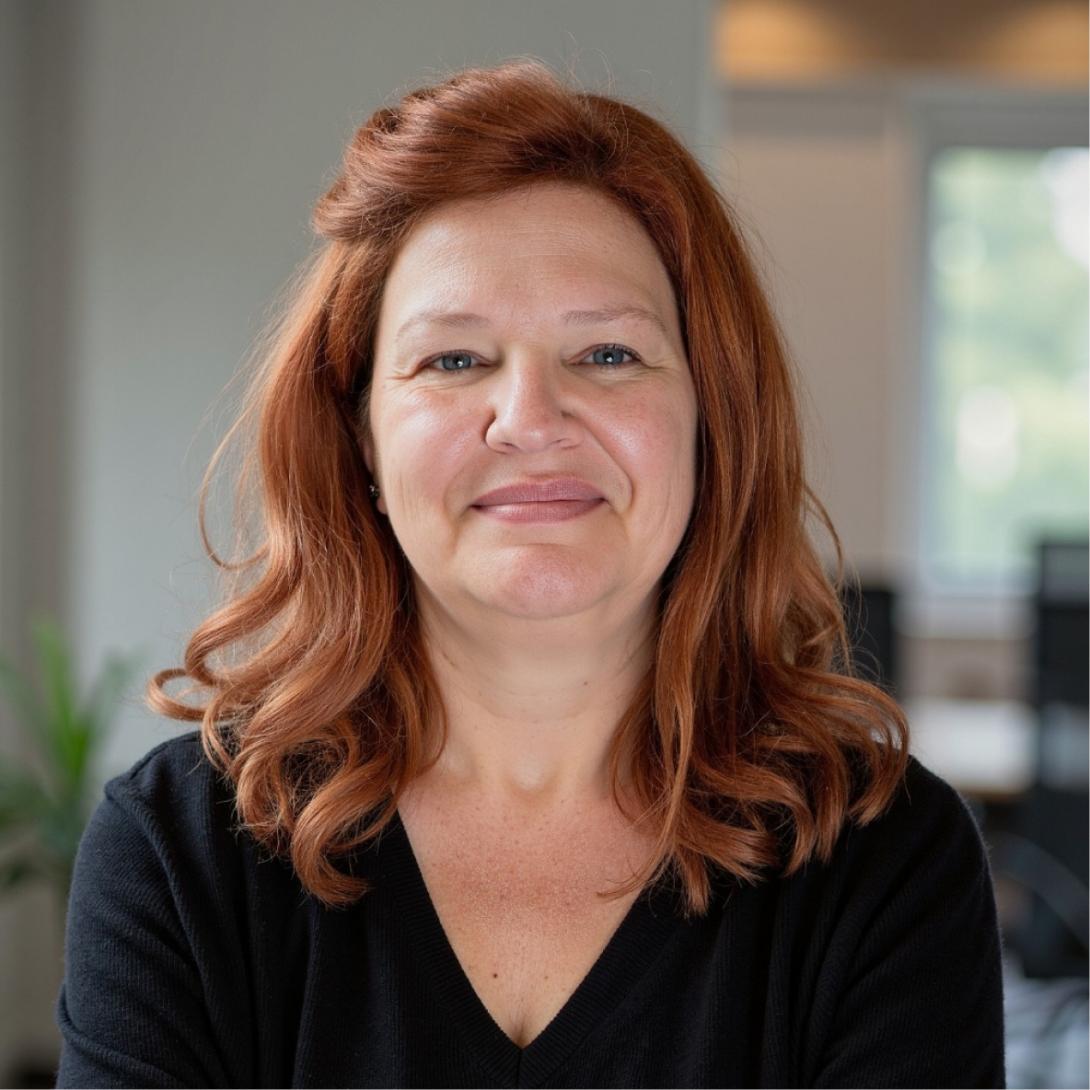
Robin Hastings is the Library Services Consultant for the Northeast Kansas Library System (NEKLS). In that role, she provides consulting on library services to 40+ libraries in the NEKLS region and manages several statewide services in Kansas. She has presented all over the world on technology topics and teaches classes at Emporia State University and Library Juice Academy. Robin is the author of several books on library-related technology topics.
With 30 years’ experience in public libraries, Donalee has managed and developed collections for all ages across many formats. This includes developing collections for 10 building projects at Salt Lake County Library. For the last decade, Donalee has held the position of Acquisition Librarian and has managed the adult audio collection for their Libby digital service, developed training for staff related to collections and related technologies, and worked directly with branch staff to manage their physical collections, especially AV. In the past year, she has presented on AI & Collections through WebJunction, the Utah State Library Association, and the 2026 Southeastern Wisconsin Libraries (SEWI) Tech Days with a team from Salt Lake County Library.
April Sheppard (they/them) is the Associate Dean of Library at Arkansas State University, where they serve on the university’s AI Policy Committee and Computer and Technology Committee. They have presented on generative AI since 2022, exploring a wide range of topics related to AI and its applications. They are also active in several library organizations. When April isn't working with AI or in libraries, they can often be found watching horror movies or playing board games.